
The Book
33 Phenomena of Purchasing Decisions
Understanding Customer Behavior Better – Knowledge and Inspiration
A book for marketers, students, and curious readers who want to better understand economic and behavioral dynamics.
“From social mirrors to cognitive dissonance, each phenomenon is explained in clear, practical chapters. Ideal for marketing professionals, psychology enthusiasts, and decision-makers.”
Inhalt

Why we should use positive frames. And why the higher number brings more.

How country music or classical music influences purchasing decisions. And why we shouldn’t listen to loud music while eating in a café.

Why a second-price auction solves the problem of asymmetric information of negotiating partners. And why auction principles should be used for market research.

Why product diversity and risk reduction are related. And why Choice Overload exists and yet does not exist.

Why the choice of the middle is not as irrational as it seems. And why chocolate helps in making rational decisions.

Why we like to seek confirmation. And why average ratings influence us in this regard.
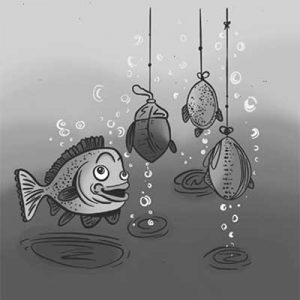
Why we are influenced by decoy products. And why an additional variant of a product increases the sales of the standard product.

Why simple calculations influence our price assessment. And why hard-to-calculate price differences benefit the more expensive product.

Why it’s not a good idea from a buyer’s perspective to shop when hungry, and why not only more food is purchased then. How caffeine releases happiness hormones and makes us shop more impulsively.

Why sparkling wine producers and retailers are prisoners of the promotional pricing game.

Why we value products more when we own them. And why “Handmade” increases the value and willingness to pay.
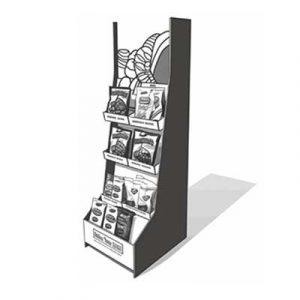
Why unplanned purchases often occur in product categories that are rarely bought and where enjoyment and pleasure are paramount. And why optimizing secondary placements has great potential.

Why individuality can lead to more dissatisfaction. Why men should not shop together and why sellers should be the same age as the buyers.

Why the shelf should be structured as the buyer imagines it. And why more subcategories can help.

Why field experiments help us measure causality instead of correlation. And why we should only allocate the budget after measuring the effect.
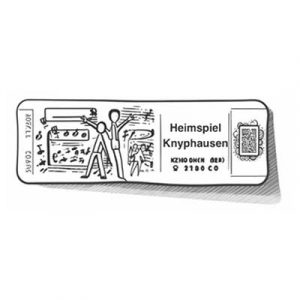
Why companies should measure their customers’ satisfaction. And why customer satisfaction increases willingness to pay.
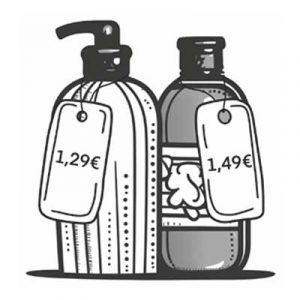
Why purchasing decisions are often not made rationally. And why we allow so-called anchors to lead us to systematic wrong decisions when assessing prices.
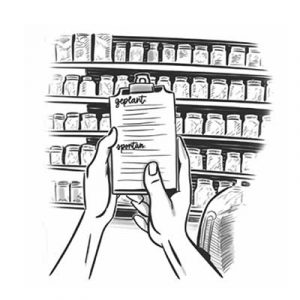
Why it is common to plan unplanned purchases. Why impulsive buyers should not go through all the aisles in the supermarket. And why price promotions at the end of the market can lead to an increase in spending.

Why price guarantees can lead to higher prices for buyers. And why they can simultaneously improve the retailer’s price image.

Why nudging can lead to healthier eating. And why behavior-oriented nudging is more effective than cognitive nudging, such as nutritional labeling, for example.

Why mathematical skills help in choosing a tariff. And why we usually pay too much in the parking garage.

Why scents can enhance perceived quality. And how scents can increase sales.

Why particularly incompetent people have a problem accurately assessing their cognitive abilities. And why we overestimate future usage when making purchase decisions with different tariffs, and underestimate usage less often.

Why prices are not evaluated absolutely by potential buyers, but in comparison to a reference price. And why knowledge of prices helps in planning price promotions.
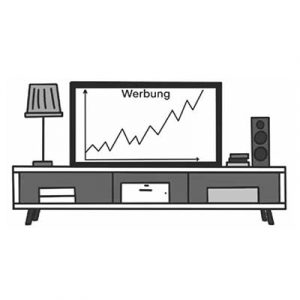
Why no one wants to read studies that measure no effect. And why marketing and especially advertising effectiveness measurement is not simple.

Why we are unconsciously influenced by stimuli before we make a purchase decision. And why some stimuli tempt us to do exactly the opposite.

Why “0 €” is better than “Free”. And why the chance of getting something for free works better than a guaranteed discount.

Why the marketing department and the CMO have a significant influence on firm performance. And why marketing managers tend to systematically overestimate customer satisfaction and loyalty.

Why scarcity is attractive and why it can have different effects on offline and online purchases.
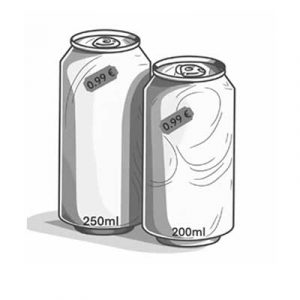

Why we should separate good and bad news for buyers. And why equipment packages for cars make sense.
Why the use of social norms can be an effective method to promote environmentally friendly behavior. But why we should avoid sanctions or rewards in the process.

Why advertising bans reduce our expenses and at the same time prevent product diversity.
Buy the Book